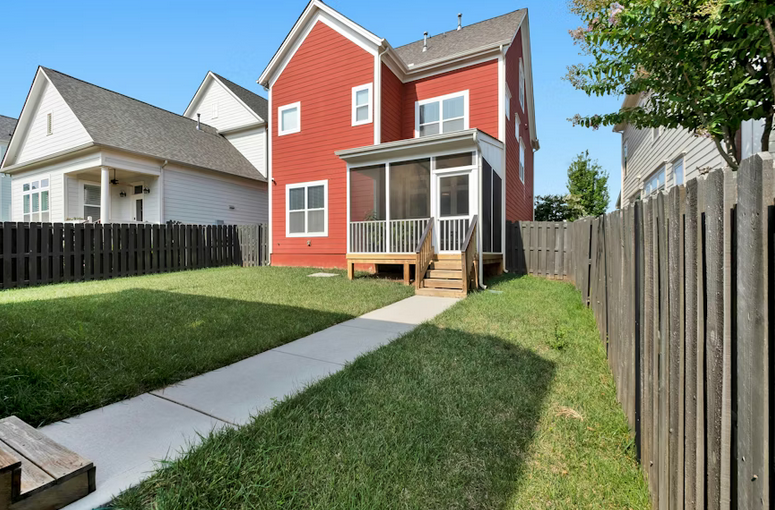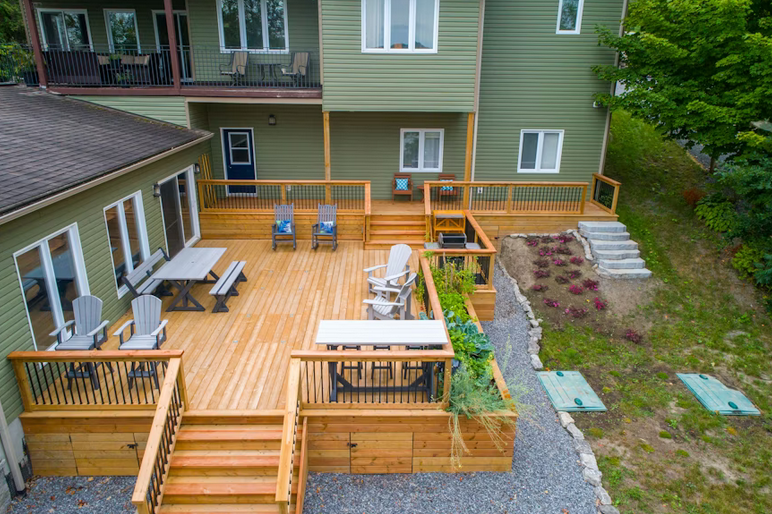
Adding a patio can transform how you use your backyard. It creates space for dining, relaxing, and entertaining while opening the door to creative hardscape and landscape design ideas that elevate the entire outdoor area. Once you decide to build one, another question quickly follows. Should you tackle the project yourself or hire a professional? Both options have advantages. Both carry risks. The right choice depends on your budget, skill level, timeline, and long-term goals. Understanding what each path involves helps you move forward with confidence rather than guesswork.
The Scope of the Project
A patio may look simple from the surface. It is often just concrete, pavers, or stone arranged in a clean layout. However, the work beneath matters most. Proper excavation, grading, and base preparation determine how well the patio performs over time. DIY projects typically involve clearing the area, leveling soil, adding a compacted base, and placing the surface material. This requires tools, physical effort, and attention to detail. Mistakes in grading can cause drainage problems. Poor compaction may lead to shifting or cracking. Professional installers bring experience. They understand soil conditions and local climate factors. They know how to ensure water flows away from the home’s foundation. Their expertise reduces the likelihood of structural issues later. The scope of work is often larger than homeowners first expect.
Cost Evaluation Beyond Materials
At first glance, DIY appears more affordable. You save on labor, which can represent a significant portion of the total cost. You control material selection and timing. For smaller patios, this approach can make financial sense. However, expenses extend beyond pavers or concrete. Tool rentals, equipment delivery, and waste disposal add up. If mistakes occur, repairs may cost more than hiring a contractor from the beginning. Professional installation involves a higher upfront payment. Labor and overhead are included in the estimate. Yet the price reflects efficiency and experience. A contractor completes the job faster and often with fewer setbacks. In some cases, investing in professional work protects long-term value and reduces the risk of costly corrections.
Time Commitment and Physical Demands
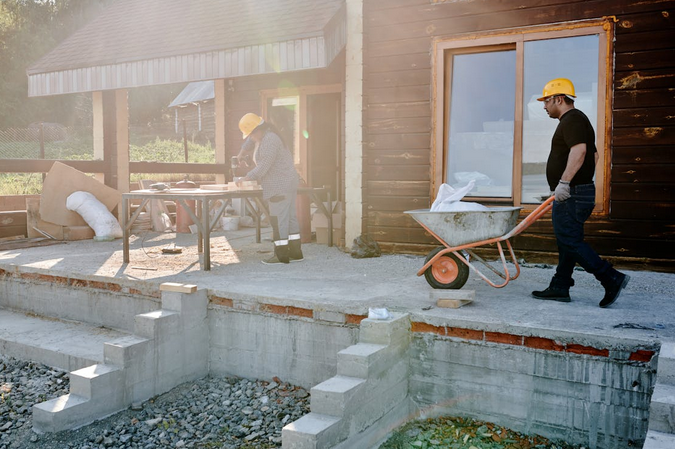
Building a patio is labor-intensive. Digging, hauling materials, and compacting base layers require strength and endurance. Even small patios can take several weekends for a homeowner to complete. Weather delays complicate the schedule. Professionals work in coordinated teams. What might take a homeowner several weeks can often be finished in a few days. They also handle permits when required, which saves time and stress. Consider your availability. If you enjoy hands-on projects and have flexible time, DIY may feel rewarding. If your schedule is tight, professional installation offers efficiency and predictability. The value of your time should factor into the decision.
Quality, Durability, and Long-Term Results
Durability matters. A patio should withstand foot traffic, weather changes, and seasonal shifts. Improper base preparation leads to uneven surfaces. Water infiltration can weaken materials over time. Professionals follow established processes. They use commercial-grade equipment to compact soil properly. They measure slopes carefully to ensure effective drainage. These steps help ensure structural stability for years. DIY patios can succeed when homeowners research thoroughly and follow best practices. Yet the margin for error is narrow. Even small miscalculations affect performance. If resale value is important, professional workmanship may offer reassurance to future buyers.
Design Complexity and Custom Features
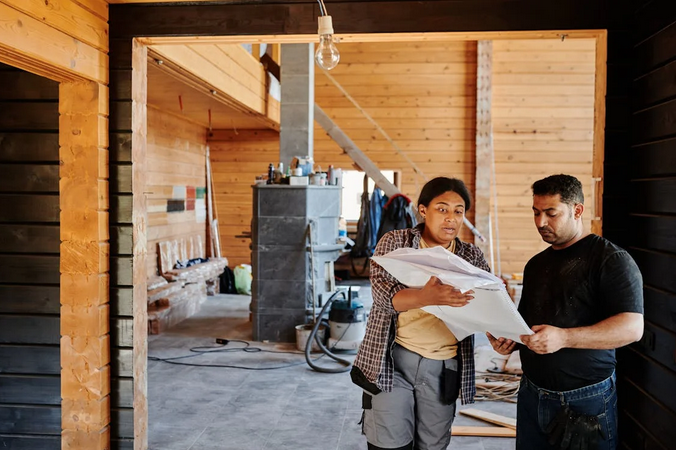
Simple square patios are manageable for skilled homeowners. Straight lines and standard pavers reduce complications. As design becomes more complex, the difficulty increases. Curved edges, built-in seating, fire pits, and integrated lighting require precision. These features often demand advanced tools and technical knowledge. Electrical components must meet safety codes. Drainage systems may need adjustment. Professionals can translate ideas into practical designs. They assess load-bearing requirements and structural support. Their experience allows them to execute detailed layouts with accuracy. For homeowners seeking a truly unique outdoor space, professional guidance often delivers stronger results.
Risk Management and Warranty Protection
Every construction project carries risk. Underground utilities, unstable soil, and unexpected weather can complicate work. DIY builders assume full responsibility for these challenges. Injuries or property damage become personal liabilities. Licensed contractors carry insurance. They operate under local regulations. Many offer warranties on workmanship. This protection provides peace of mind. Mistakes in patio construction can affect adjacent structures. Poor drainage may impact the home’s foundation. Incorrect installation may lead to cracking or shifting within months. Professional oversight reduces these risks and supports long-term reliability.
Choosing between DIY and professional installation requires an honest evaluation. Assess your skill level realistically. Consider your budget beyond initial savings. Think about how much time you can commit. Weigh the importance of durability and resale value. DIY projects offer satisfaction and control. They can work well for straightforward designs and homeowners who are comfortable with physical labor. Professional installation offers efficiency, expertise, and structural confidence. It minimizes risk and often produces more refined results. There is no universal answer. The right choice aligns with your priorities. A patio should enhance daily life without creating ongoing stress. Whether you build it yourself or hire experts, careful planning remains essential.