
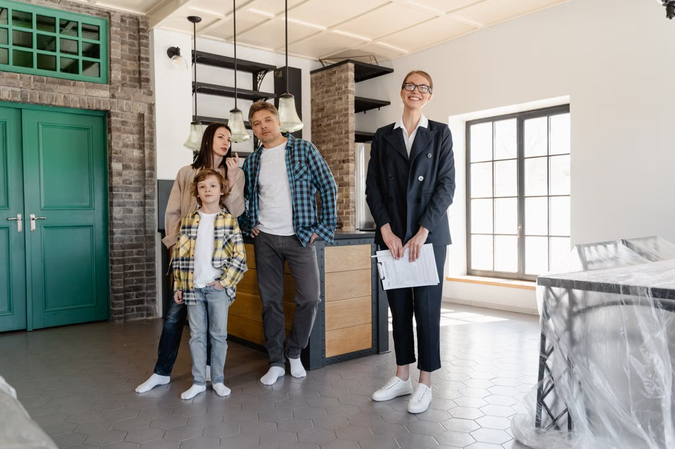
The spaces we live in have a profound impact on our emotional and mental well-being. A home is more than just a place to eat and sleep—it shapes our daily routines, influences our mood, and affects how we respond to stress. As people seek healthier lifestyles, architects and designers are placing greater emphasis on creating homes that promote comfort, balance, and peace of mind. Among the most innovative approaches is prefabricated housing, which combines efficient construction with intentional design principles. Many prefab designers believe that carefully planned homes can help reduce stress by improving functionality, maximizing natural light, and creating environments that encourage relaxation and mindfulness.
Thoughtful Design Encourages Everyday Comfort
One reason prefab homes are gaining popularity is their focus on intentional design rather than unnecessary complexity. Many manufacturers collaborate with design experts and architectural resources such as bauprofessor.de to develop layouts that prioritize comfort, efficiency, and practical living. Open floor plans, clutter-free interiors, and carefully arranged living spaces help residents move through their homes with ease. When daily tasks become simpler, and spaces feel more organized, homeowners often experience a greater sense of calm and reduced mental fatigue.
Natural Light Supports Emotional Well-Being
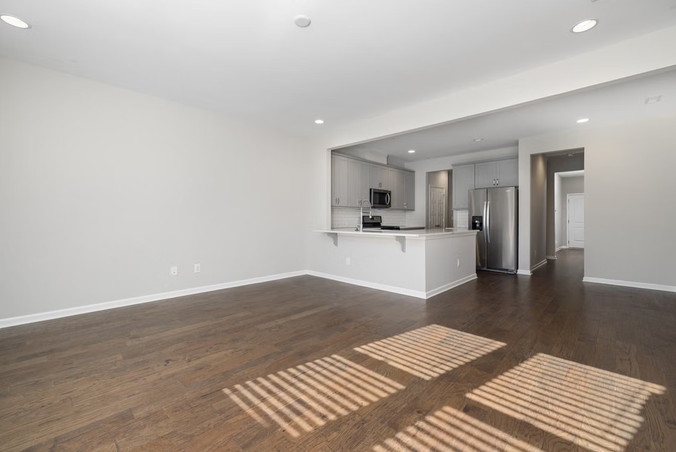
Lighting plays a significant role in how people feel throughout the day. Prefabricated homes are frequently designed with large windows, skylights, and strategically positioned openings that maximize sunlight. Exposure to natural light helps regulate the body’s internal clock, supports healthy sleep patterns, and creates brighter living environments that feel more welcoming. Instead of relying heavily on artificial lighting, homeowners benefit from spaces that feel connected to the outdoors, which can contribute to a more positive mood and lower stress levels.
It Strengthens the Connection With Nature
Many prefab homes are designed to strengthen the relationship between indoor and outdoor living. Features such as covered patios, large sliding glass doors, private gardens, and scenic views help blur the line between interior spaces and nature. Research consistently shows that spending time around natural environments can lower stress and improve overall well-being. Even when residents remain indoors, visual access to greenery and fresh air creates a more peaceful atmosphere that encourages relaxation after busy days.
Smart Layouts Reduce Daily Frustration
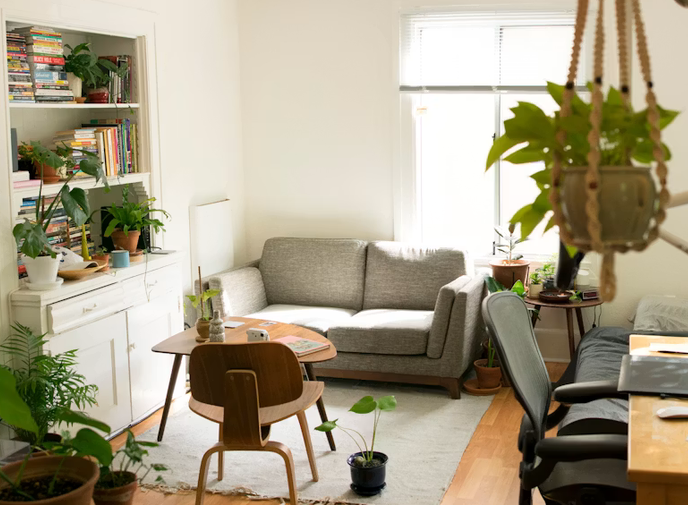
Stress often comes from small, repeated inconveniences such as poor storage, cramped rooms, or inefficient traffic flow. Prefab designers address these challenges by optimizing every square foot of available space. Built-in storage, flexible rooms, and functional kitchens allow homeowners to keep their environments organized without sacrificing style. A thoughtfully arranged home reduces clutter and minimizes distractions, making everyday activities more efficient and enjoyable. This practical approach creates an atmosphere where residents can focus on living rather than constantly managing their surroundings.
Sustainable Living Creates Peace of Mind
Environmental responsibility can also contribute to emotional well-being. Modern prefab homes often incorporate energy-efficient insulation, sustainable materials, and systems that reduce utility costs while minimizing environmental impact. Living in a home that consumes fewer resources can provide a sense of satisfaction and long-term financial confidence. Lower maintenance requirements and predictable construction quality further reduce the unexpected problems that often create stress for homeowners. As sustainability becomes increasingly important, prefab homes offer practical solutions that benefit both individuals and the environment.
A home’s design influences much more than its appearance. It affects daily habits, emotional balance, and overall quality of life. Prefabricated homes demonstrate that thoughtful architecture can support healthier routines by improving organization, increasing natural light, strengthening connections with nature, and creating efficient living environments. While no home can eliminate life’s challenges, well-designed spaces can make everyday experiences more comfortable and less overwhelming. As interest in wellness-focused living continues to grow, prefab housing is proving that smart design has the potential to make homes not only more functional but also more supportive of mental well-being.…